
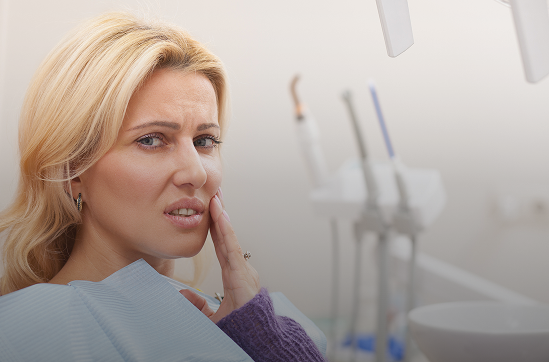
The checkup came back clear, yet the tooth still aches when you bite down or sip something cold. That mismatch is frustrating, and it happens to many people. Pain without a cavity usually points to a crack, an exposed root surface, clenching, or an irritated nerve, and each of these has a fix. This blog covers why a tooth can hurt without decay, what causes it, simple home steps, when to see a dentist, how a visit works, treatment options, and habits that keep the pain from returning.
A Tooth Can Hurt Even When the Checkup Shows No Cavity
A cavity is only one of several reasons a tooth hurts. Pain can also come from the structure of the tooth, the gums around it, the way the teeth meet, or the nerve inside. A clear checkup rules out decay, but it does not rule out these other causes. Pain with no visible cavity is still real, and it usually has a treatable explanation.
Which Causes Tooth Pain Without a Cavity
Several causes can make a healthy-looking tooth hurt. The pain often feels similar, so a dental visit helps identify which one applies.
A Cracked Tooth Reacts to Biting Pressure
A small crack may not show on the surface or on an X-ray. It can cause a sharp pain when you bite down and release, or when something cold touches the tooth. Cracks tend to get worse over time, so early attention helps protect the tooth.
Exposed Root Surfaces Trigger Sensitivity
When gums recede or enamel wears thin, the softer layer underneath becomes exposed. Cold drinks, sweet foods, and brushing can then trigger a quick, sharp sensitivity. The tooth looks healthy, but the exposed surface reacts to everyday triggers.
Grinding and Clenching Strain Healthy Teeth
Grinding or clenching, often during sleep, overloads the teeth and the tissue around them. This can leave a tooth sore, especially in the morning, even when the tooth itself looks fine. Jaw tightness and headaches may come with it.
An Inflamed Nerve Causes Lingering Pain
The nerve inside a tooth can become irritated without a visible cavity, for example after a past knock, wear, or earlier dental work. The pain may linger after hot or cold, or ache without a clear trigger. This kind of pain should be looked at promptly.
Simple Home Steps Can Calm Mild Tooth Pain
Mild tooth pain can ease with a few simple steps at home. These steps help with comfort only, and they do not replace a check if the pain continues. Helpful steps include:
- Chew on the opposite side while the tooth is tender.
- Avoid very hot, cold, or hard foods that trigger discomfort.
- Use a toothpaste made for sensitive teeth.
- Brush the area gently with a soft-bristled toothbrush.
- Floss carefully around the tooth to keep the area clean.
- Note when the pain happens, such as when biting or with temperature, so you can describe it at your visit.
See a Dentist If Tooth Pain Lasts or Gets Worse
Tooth pain that lingers, wakes you at night, hurts when you bite, or keeps coming back should be checked by a dentist. Pain that gets stronger or spreads to the jaw or ear is another reason to book a visit. Swelling in the gum or face, a bad taste in the mouth, or a fever alongside tooth pain needs prompt dental care.
How a Visit Works When a Tooth Hurts Without a Cavity
A visit for a tooth that hurts without a cavity follows three steps: describing the pain, learning what is behind it, and choosing the next step. Bring a note of when the pain happens, since specifics help.
Describing Where and When It Hurts
Tell the dentist which tooth hurts, what sets it off, such as biting, cold, or sweets, and how long the pain lasts. Mention any habits like clenching or grinding and any recent dental work.
Learning What Is Behind the Pain
After the exam, you hear what is likely behind the pain, whether it is a crack, an exposed surface, a bite concern, or an irritated nerve. X-rays and bite checks help the dentist explain the cause.
Choosing the Next Step
The dentist outlines the options based on what is found, from protecting the tooth to treating the nerve. You can ask questions about each option before deciding.
Different Treatments to Ease Tooth Pain Without a Cavity
The right treatment depends on the cause of the pain. Options may include:
- Protect a cracked tooth with a crown so biting forces spread across the whole tooth.
- Treat an irritated or inflamed nerve with root canal therapy.
- Book emergency dental care when pain is severe or sudden.
Protective Habits Lower the Chance of Pain Returning
Everyday habits can lower the chance of tooth pain coming back. Avoid chewing ice, hard candy, and pens, which can crack teeth. Brush gently with a soft-bristled toothbrush to protect the gums and enamel. Mention a sore jaw or worn teeth to your dentist, since grinding often goes unnoticed. Regular checkups help small cracks, wear, and gum changes get noticed early.
Get Your Tooth Pain Explained at Waterdown Village Dentistry in Waterdown, ON
Waterdown Village Dentistry offers crowns, root canal therapy, and emergency dentistry for tooth pain without a clear cause. A visit covers where and when the tooth hurts, what is behind the pain, and which treatment suits your case. Book your visit at Waterdown Village Dentistry in Waterdown, ON today.
Frequently Asked Questions
Can sinus pressure or jaw problems feel like tooth pain?
Yes. Pressure from the sinuses or a tight, sore jaw can feel like pain in the upper back teeth. Waterdown Village Dentistry can examine the teeth to confirm whether they are the source.
Can tooth pain without a cavity go away on its own?
Mild pain from a passing irritation may settle, but pain from a crack or an irritated nerve often keeps returning. Waterdown Village Dentistry can find the cause, so book a visit if it lingers.
Does tooth pain without a cavity mean a root canal is needed?
Not always. Many causes, such as sensitivity or a small crack, can be managed without one. A root canal is considered when the nerve does not recover. Waterdown Village Dentistry can explain which applies.
Why does tooth pain come and go for weeks?
Pain that comes and goes often depends on triggers such as biting, temperature, or clenching, so it can seem to disappear between episodes. Waterdown Village Dentistry can look into the pattern during a visit.
Can over-the-counter pain relief help tooth pain without a cavity?
Over-the-counter pain relievers can ease short-term discomfort when used as directed on the label. They do not treat the cause, so ongoing pain still needs a visit to Waterdown Village Dentistry.